
Companies often associate sustainability with additional initiatives, but in practice, many environmental actions are already part of everyday operations. According to the guidance prepared by EFRAG for the Voluntary Sustainability Reporting Standard for SMEs, climate change mitigation and climate change adaptation actions can include very practical measures.
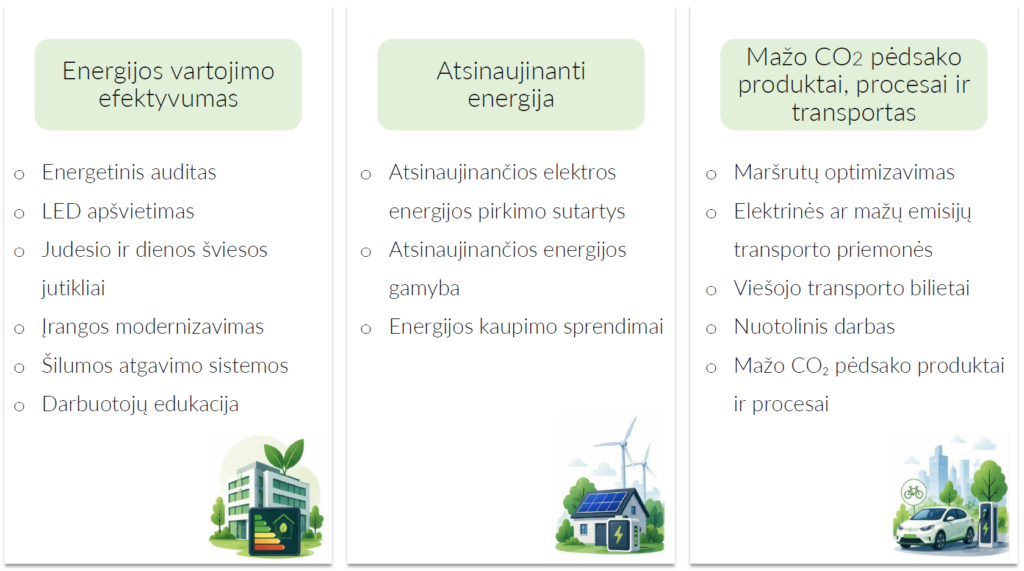
Climate change mitigation
A company contributes to climate change mitigation when it implements measures such as improving energy efficiency, using LED lighting, modernising equipment, installing heat recovery systems, or purchasing or generating renewable energy. Low-carbon solutions are also important, including route optimisation, low-emission vehicles, public transport tickets and remote work.
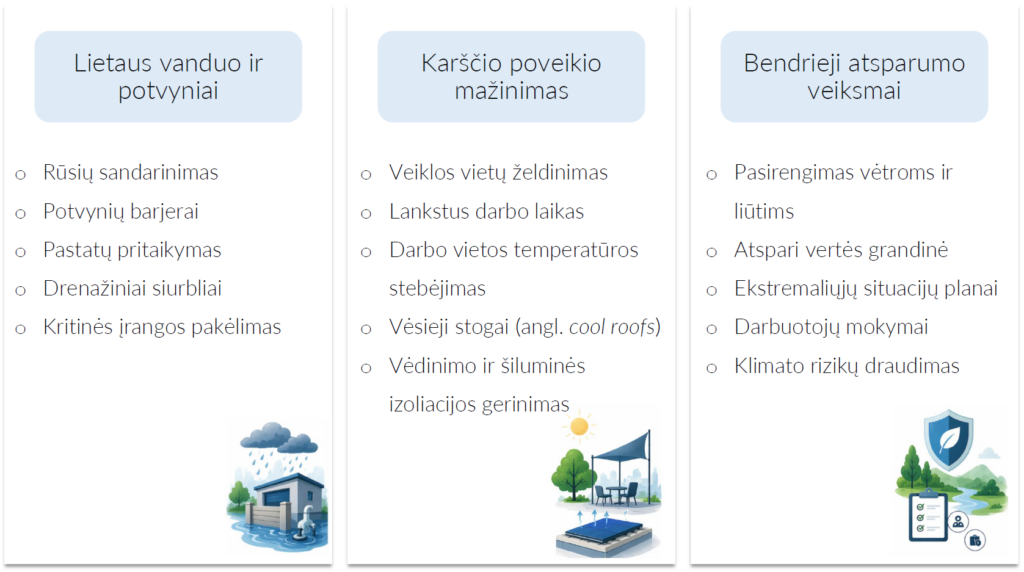
Climate change adaptation
Another important area is climate change adaptation. This may include actions related to rainwater and flooding, reducing heat impacts, or improving the company’s overall resilience. Examples include adapting buildings, installing drainage pumps, greening company sites, monitoring workplace temperature, improving ventilation and insulation, preparing for storms and heavy rainfall, emergency plans, or climate risk insurance.
Why is it worth identifying these actions?
Such practices are often already carried out within a company, but they are not always linked to sustainability. Once identified and structured, they make it easier to understand what the company is already doing, where gaps remain, and how this information can be used for sustainability reporting, partner questionnaires or internal decision-making.